Buying acreage in Magnolia can look simple on paper. You see the price, the lot size, and the dream starts taking shape. But with land, the real question is not just how many acres you get. It is whether the property can actually support what you want to do with it. If you are thinking about building, adding multiple structures, or simply making sure your investment works long term, a few checks matter more than the listing photos. Let’s dive in.
Why Magnolia acreage needs closer review
In Magnolia, acreage is often a functionality purchase as much as a value purchase. Two tracts with similar size can offer very different options depending on jurisdiction, access, utilities, drainage, and private restrictions.
That is especially important in Montgomery County because the rules can change based on location. Inside the City of Magnolia, zoning and permit review may apply. In unincorporated Montgomery County, the county states it does not have zoning or a countywide building code, so the practical limits often come from plats, subdivision rules, floodplain rules, septic and well requirements, access, and deed restrictions.
Start with jurisdiction first
Before you focus on price per acre, confirm whether the property is inside Magnolia city limits or outside them. That single detail affects what approvals and review processes may apply to your plans.
Inside city limits, the City of Magnolia handles planning, permits, plats, site plans, and zoning-related processes. If you are buying with plans to build or improve the land, you will want to understand that review path early.
Outside city limits in unincorporated Montgomery County, the county says it does not use zoning as a land-use control. That does not mean anything goes. It usually means you need to pay even closer attention to recorded plats, easements, deed restrictions, floodplain rules, and utility requirements.
Check what the land legally allows
One of the biggest mistakes acreage buyers make is assuming open land equals open use. In Magnolia, that is not always true.
If the tract is in unincorporated Montgomery County, private restrictions may matter more than county zoning. Recorded plat notes, deed restrictions, and HOA rules can affect how the land can be used and what improvements are allowed.
This is where details matter. Before you commit, review whether there are limits tied to items like additional structures, guest quarters, barns, livestock, or home-based uses. The lot may be large enough for your plans, but the recorded restrictions may not support them.
Review access and road responsibility
Access can change the value of acreage fast. A property may look ideal online, but if the road situation is unclear, your build plans and long-term costs can change quickly.
Montgomery County subdivision rules distinguish between roads that are county-maintained, private roads, and roads still going through acceptance requirements. That means you should verify who maintains the road, whether access is legally established, and whether there are any unresolved road or drainage obligations tied to the property.
If the tract is in a private-road subdivision, ask how maintenance is handled and whether there are shared costs. If the land fronts a state-controlled route, a new or modified driveway may require a TxDOT driveway access permit, and the owner is responsible for maintaining the private driveway.
Make the survey do real work
A current survey is one of the most useful documents in an acreage purchase. It should do more than outline boundaries.
County permit materials show that surveys and site plans can play a major role in development review. For buyers, that means the survey should help confirm access points, easements, existing improvements, setbacks, septic areas, and whether any floodplain or floodway touches the tract.
If you are planning a custom home, shop, guest house, or multiple buildings, ask whether the current survey is detailed enough for those decisions. A vague or outdated survey can leave expensive questions unanswered until after closing.
Confirm utility options before closing
Utilities are where many acreage budgets get reshaped. In Magnolia, you want to know early whether the property can connect to public service or whether you will need private systems.
If the tract may connect to city service, the City of Magnolia utility information can help confirm water, sewer, trash service, and any tap or impact fees. If it cannot connect, Montgomery County often requires a utility provider letter stating whether water or sewer service will be provided to the property.
That makes utility verification a pre-closing issue, not a post-closing project. You do not want to buy first and then find out the service plan is more complex or costly than expected.
Understand septic requirements
If public sewer is not available, septic feasibility becomes a major checkpoint. Montgomery County requires a septic permit, and the process involves more than picking a system.
County guidance says permit issuance requires a site evaluation, soil analysis, septic design by a registered sanitarian or professional engineer, floor plans, and floodplain status. The county also states it will not issue septic permits for systems in the regulatory floodway.
Lot size matters too. County guidance says lots should generally be at least 0.75 acre without a private well and 1.5 acres when both septic and a private well are used, with possible special consideration for some older recorded lots. That means usable layout and utility capacity can matter more than total acreage alone.
If the system will be aerobic, ask about the ongoing requirements. The county checklist calls for a two-year maintenance contract and a recorded affidavit to the public, which can catch buyers off guard if they have not planned for it.
Ask the right questions about wells
If the property will use a private well, make sure you understand both setup and ownership responsibilities. A well can offer independence, but it also comes with ongoing obligations.
The Texas Commission on Environmental Quality says private well owners are responsible for testing water regularly. In Montgomery County, the Lone Star Groundwater Conservation District says wells drilled in the county must be registered, and typical single-family residential wells are generally exempt from permitting but not from registration.
For a buyer, that means a private well is not just a yes-or-no feature. You should confirm whether there is an existing well, whether it is properly documented, and what testing or future registration steps may apply.
Watch floodplain and drainage closely
Floodplain and drainage issues can affect where you build, how you build, and what it costs. This is one of the most important due diligence steps for acreage in Magnolia.
In unincorporated Montgomery County, floodplain regulations require a development permit for work in special flood hazard areas. Current county guidance says structures in the 100-year floodplain, or within 100 feet of the FEMA boundary, must be elevated at least two feet above base flood elevation or have acceptable flood openings.
The county also outlines build-process steps that can require surveyor work and elevation certificates. That is why it is smart to ask whether the seller already has a current floodplain determination, elevation certificate, or any prior variance information on file.
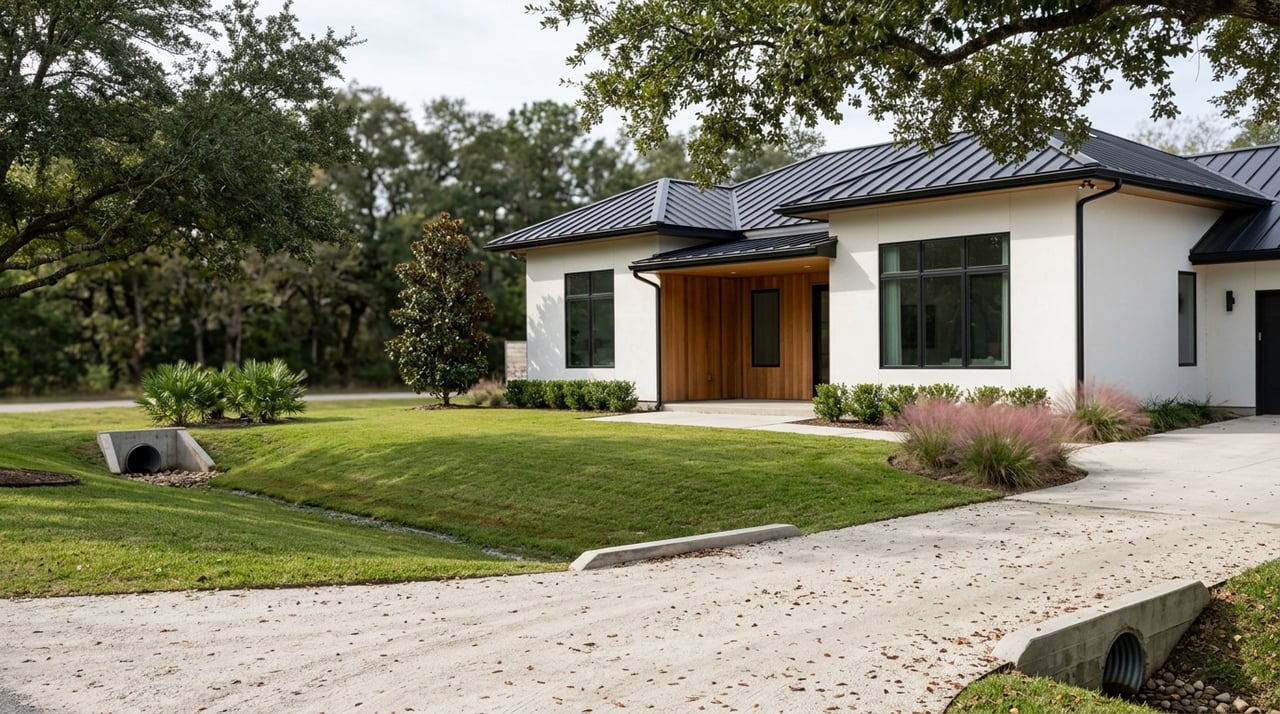
Drainage matters even if the land does not appear to be in a mapped floodplain. If you see low spots, culverts, ditches, or signs of standing water, ask how water moves across the tract and how driveway drainage is handled. County subdivision rules address drainage structures under private driveways and county review of drainage improvements.
Think about daily practicality
Acreage can offer space and flexibility, but it can also mean a more self-managed lifestyle. Montgomery County’s planning materials note transportation barriers and little to no public transportation in many areas.
That makes commute time, road conditions, delivery access, utility setup, and everyday convenience part of the buying decision. A tract may fit your vision on paper, but you also want it to work for your day-to-day life.
A simple Magnolia acreage checklist
Before you move forward, try to get clear answers to these questions:
- Is the property inside Magnolia city limits or in unincorporated Montgomery County?
- What do the plat, deed restrictions, and any HOA rules allow?
- Is the access road private, county-maintained, or still pending county acceptance?
- Does the survey clearly show easements, access points, setbacks, septic areas, and floodplain or floodway overlap?
- Are city water and sewer available, and if not, what is the realistic plan for septic and well service?
- Can the tract support your intended improvements based on soil, drainage, and floodplain conditions?
- Will any new driveway require TxDOT approval?
- If you want multiple structures, can each one be properly addressed through county 911/addressing?
Why local acreage guidance matters
Acreage purchases usually have more moving parts than a standard home purchase. In Magnolia, those moving parts often determine the true value of the property.
The best land deals are not just about acreage totals. They are about whether the tract can legally and practically support your plans without avoidable surprises. When you review jurisdiction, access, utilities, septic, well needs, and drainage before closing, you put yourself in a much stronger position to buy with confidence.
If you are exploring acreage in Magnolia or anywhere in Montgomery County, working with someone who understands the local land questions can save time, stress, and expensive mistakes. When you are ready to talk through a property, connect with Jordan Weingrad for local insight and responsive guidance.
FAQs
What should you check first when buying acreage in Magnolia?
- First, confirm whether the property is inside Magnolia city limits or in unincorporated Montgomery County, because that affects the review process, permits, and practical land-use rules.
What matters more than price per acre in Magnolia?
- In many cases, buildability, legal access, utilities, septic feasibility, drainage, and private restrictions matter more than the raw acreage number.
What utility questions should you ask before buying Magnolia acreage?
- Ask whether city water or sewer is available, whether a utility provider letter is needed, what connection fees may apply, and what the backup plan is if private septic or a well will be required.
What septic rules can affect acreage in Montgomery County?
- Montgomery County requires a septic permit, site evaluation, soil analysis, system design, and floodplain review, and it does not issue septic permits for systems in the regulatory floodway.
What well rules apply to acreage in Montgomery County?
- Private well owners are responsible for regular water testing, and wells drilled in Montgomery County must be registered with the Lone Star Groundwater Conservation District.
Why does a survey matter for Magnolia land purchases?
- A good survey helps confirm boundaries, easements, access, setbacks, septic areas, structures, and any floodplain or floodway overlap before you close.
What road access issues can affect acreage in Magnolia?
- You should verify whether the road is county-maintained, private, or still subject to county acceptance, and whether a new driveway may require TxDOT approval if the tract fronts a state-controlled route.
What floodplain questions should you ask before buying acreage in Magnolia?
- Ask whether any part of the tract is in a special flood hazard area, whether there is a floodplain determination or elevation certificate on file, and how drainage is handled across the property.