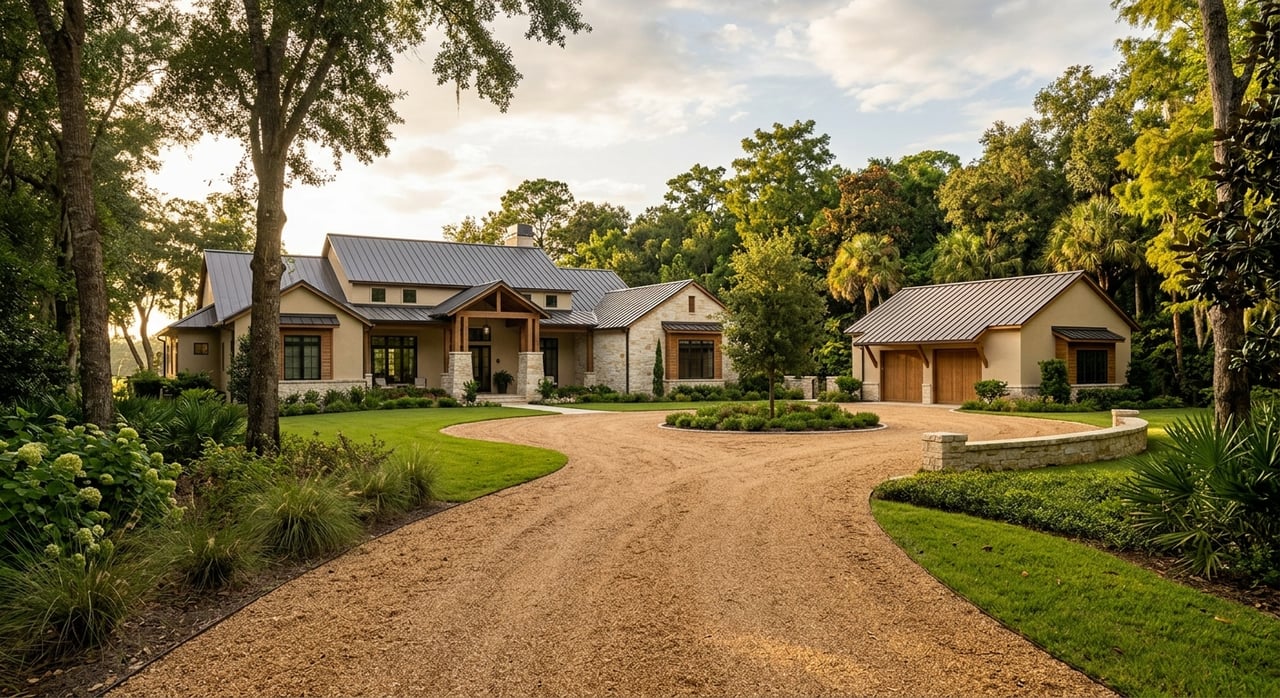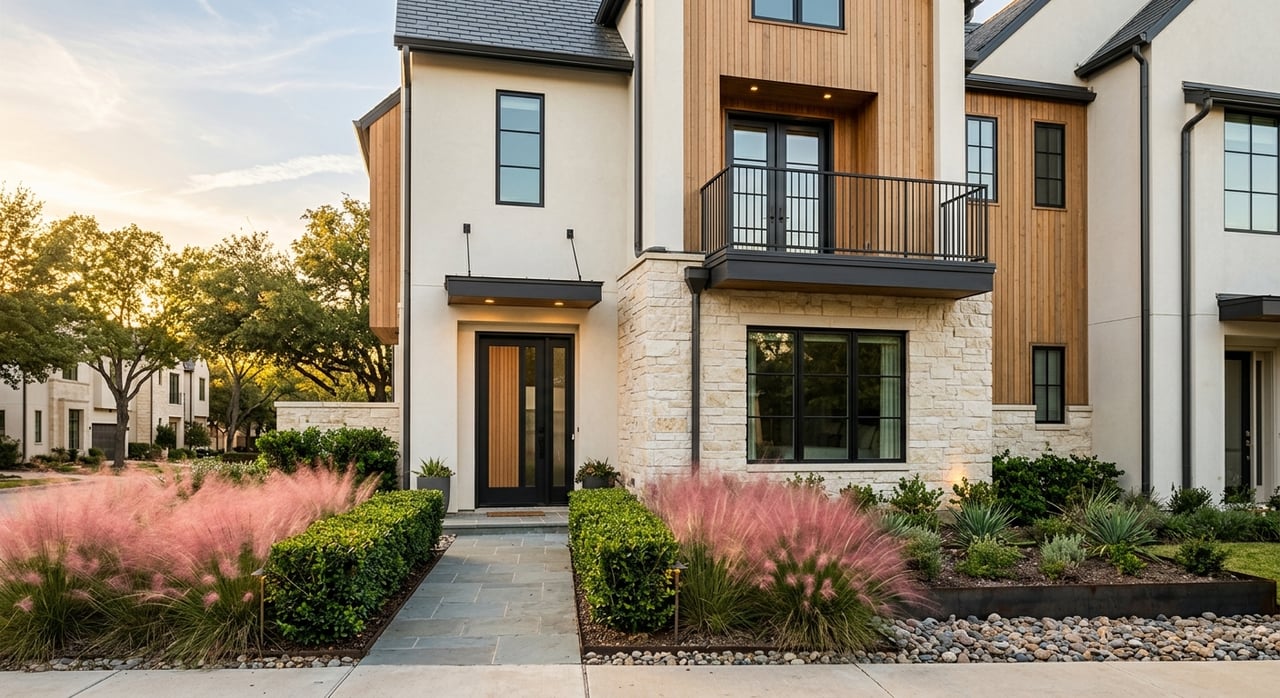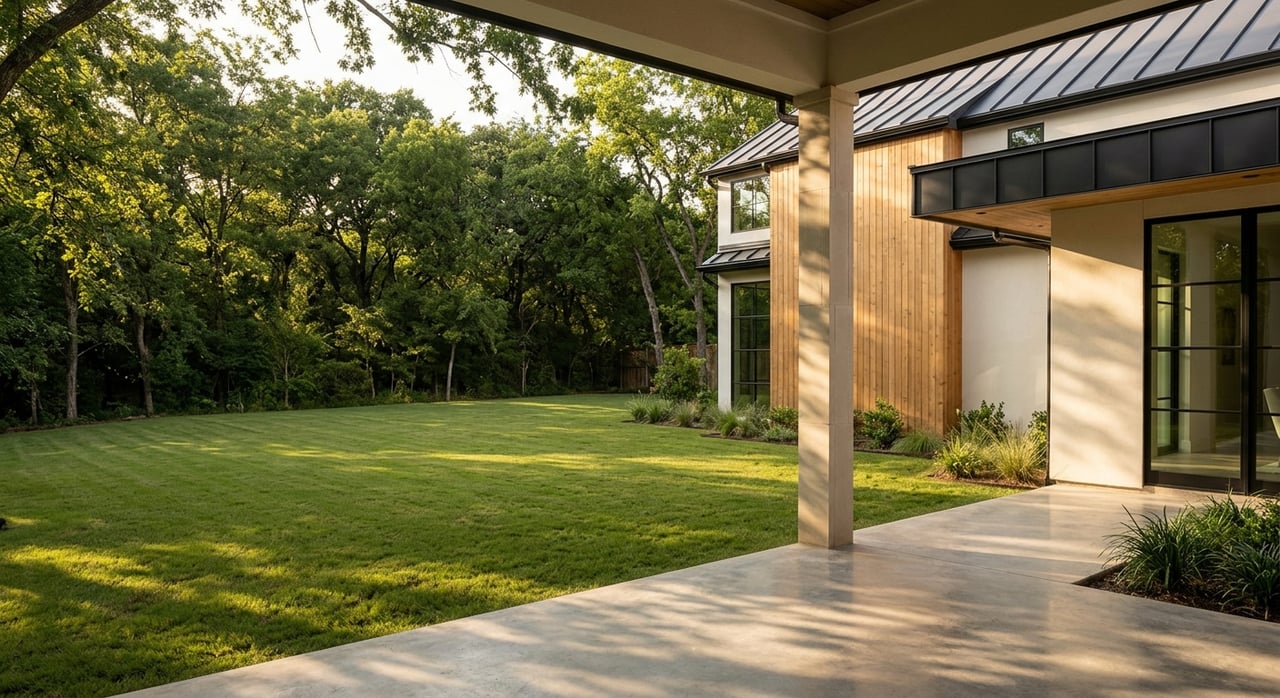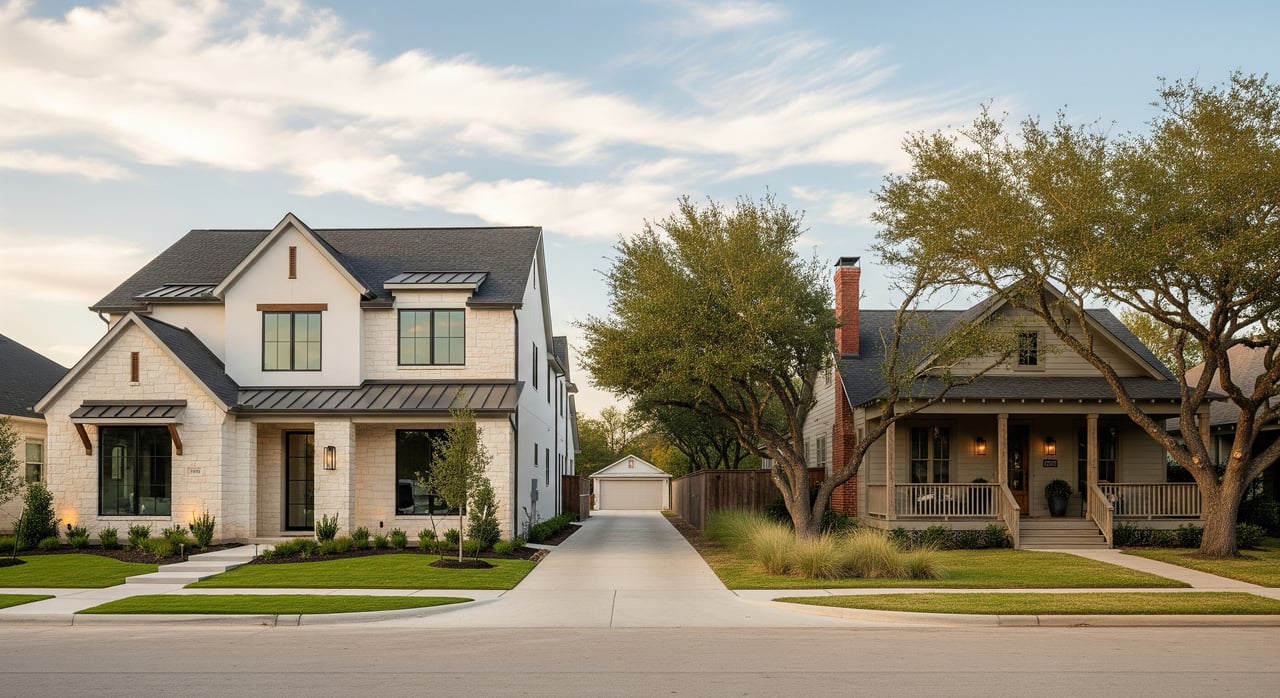
Thinking about buying in Tomball and not sure if a new build or a resale home is the better move? You’re not alone. With a blend of charming older neighborhoods and fresh master-planned communities, Tomball gives you real choices. In this guide, you’ll learn how timing, costs, inspections, financing, taxes, and long-term value compare so you can make a confident decision. Let’s dive in.
Tomball market context
Tomball sits along TX-249 with easy access to greater Houston, which affects demand and resale potential. You’ll find established areas near Old Town alongside new subdivisions with modern amenities. Lot selection matters here, especially with varying flood risk in parts of Harris County. Take time to evaluate location within a community, nearby roads, and drainage.
In tighter markets, builders may offer incentives on spec inventory while resale sellers adjust with concessions. Appraisals can also vary. New sections without strong comparable sales can see appraisal challenges. Established neighborhoods typically have clearer comps.
New construction overview
New construction gives you modern floorplans and the chance to personalize finishes. You will weigh base price, lot premiums, and upgrades when comparing options. Builder incentives, lender credits, and rate buydowns can improve affordability in the right conditions. If you choose a to-be-built home, build time commonly runs 6 to 12 months for production builders.
For quality control, most builders offer staged walkthroughs. You should still hire independent inspectors at key milestones. Written warranties are common and often follow a 1-year workmanship, 2-year systems, and longer structural pattern, but coverage varies by builder.
Resale overview
Resale homes offer mature landscaping, proven neighborhoods, and typically faster move-in timelines. From contract to close, many purchases finish within 30 to 60 days with standard financing. You can evaluate past improvements and maintenance history and negotiate repairs or credits after inspections.
The trade-off is that older systems may need replacement sooner, and you may plan updates to match your style. On the other hand, price flexibility and known tax histories can be helpful for budgeting.
Timeline to move-in
New construction
- Spec homes: often 30 to 90 days from contract to close.
- To-be-built homes: plan for 6 to 12 months for most production builders.
- Local tip: ask about the builder’s construction calendar and any city permitting timelines.
Resale
- Typical close: 30 to 60 days with conventional financing.
- Cash or preapproved buyers can sometimes close faster.
- Local tip: appraisals or seller timelines can affect closing dates.
Price, incentives, and total cost
New construction
- Costs include base price, lot premium, options, and potential closing costs.
- Incentives may cover closing costs, temporary rate buydowns, or select upgrades.
- Watch for landscaping, driveways, window treatments, HOA initiation fees, and higher initial property tax assessments.
Resale
- Pricing depends on market comps and negotiation.
- Concessions can include repair credits or closing cost help.
- Plan for near-term maintenance or updates if systems are older.
In Tomball, desirable lots near amenities or convenient corridors can carry meaningful premiums. Compare builder incentives to what resale sellers have offered in recent closings.
Inspections and warranties
New construction
- Schedule independent inspections at pre-drywall and final walkthrough.
- Get the warranty in writing and confirm the claims process and exclusions.
- Pay attention to drainage, grading, and exterior details.
Resale
- Order a general inspection and add specialists when needed, such as roof, HVAC, pest, or foundation.
- Ask for prior reports and receipts for major repairs or replacements.
- For homes in or near historically flood-affected areas, review any mitigation or past repairs.
Financing and appraisals
New construction
- Builders may offer incentives with preferred lenders. Always compare rate sheets and fees.
- Appraisals can be tricky when a neighborhood lacks recent comps. Discuss strategies for low appraisals before you sign.
- Construction-to-permanent loans have extra steps and funding schedules that may affect timing.
Resale
- Conventional, FHA, VA, and USDA (if eligible) are common options.
- Appraisals are usually more straightforward when there are recent sales nearby.
Request Loan Estimates from multiple lenders so you can compare the total cost over time, including closing costs and projected payments.
Taxes, insurance, HOA, and ownership costs
Property taxes
- New construction is typically assessed as new improvements, which can change your first year’s bill as the county updates values. Homestead exemptions may apply.
- Resale homes have known assessed values, but assessments can still change after sale or remodel.
Insurance
- Premiums vary by age, materials, and flood zone. Newer systems can lower premiums, but flood risk has a major impact on total cost.
HOA and amenities
- Newer communities may carry higher HOA dues that fund amenities. Review budgets, rules, and any planned assessments.
Energy and maintenance
- New homes tend to offer better energy efficiency and lower short-term maintenance.
- Resale homes can be efficient too if updated. Review utility history and recent upgrades.
Resale value and long-term outlook
New construction
- Pros: modern layouts and features, lower early maintenance.
- Consideration: initial resale can be affected if many similar homes are still selling nearby.
Resale
- Pros: established comps and mature streetscapes can support value.
- Consideration: older layouts may need updates to compete.
In Tomball, long-term value depends heavily on lot position, proximity to community amenities and corridors, and flood risk. A strong location often outperforms finish level over time.
Decision framework: match your priorities
- Choose new construction if you want modern design, lower near-term maintenance, builder warranties, and the chance to customize finishes.
- Choose resale if you need a faster move, want mature landscaping and established comps, or prefer known tax and utility histories.
- If incentives are important, compare builder offers to recent resale concessions.
- If flood risk is a top concern, verify lot elevation and drainage. A proven non-flooding area with documented performance can be reassuring.
Practical checklist before you commit
Builder and neighborhood
- Review builder reputation, completed Tomball projects, and warranty performance.
- Confirm subdivision buildout plans, amenities, and HOA budgets.
Lot-level due diligence
- Check flood zone status, drainage, and any easements or setbacks.
- Walk the area at different times to understand traffic and noise patterns.
True out-the-door pricing
- New build: base, lot premium, upgrades, landscaping, window treatments, estimated taxes and insurance, and HOA fees.
- Resale: offer price, expected repairs or updates, closing costs, taxes, insurance, and HOA dues.
Inspections and documentation
- New build: schedule pre-drywall and final inspections, and get all warranty terms in writing.
- Resale: request prior reports and receipts for major systems like roof, HVAC, and water heater.
Financing and appraisal
- Compare lender offers side-by-side with Loan Estimates.
- Discuss appraisal strategies for new builds and review comps for resales.
Local buyer tips for Tomball
- Commute routes: Explore access to TX-249 and nearby FM roads during peak times. A 10-minute difference in drive time can change your daily routine.
- Downtown vs new subdivisions: Decide if you value historic charm and established streets or newer amenities like pools, parks, and trails.
- Flood awareness: Even outside special flood hazard areas, ask about drainage, elevation, and past performance during heavy rain events.
- Schools: Verify attendance zones directly with local school district resources if school location is important to you.
Next steps
Define your must-haves and timeline. Decide whether move-in speed or customization matters more.
Price out both paths. For new builds, model total cost with your preferred upgrade list. For resales, estimate repairs and updates.
Compare lender options. Evaluate rate buydowns, closing credits, and long-term payment differences.
Do lot-level due diligence. Confirm flood zone status, drainage, and neighborhood buildout plans.
Schedule expert inspections. Whether new or resale, inspections protect your interests.
If you want a local guide to compare real Tomball options side-by-side and negotiate the strongest terms, connect with Jordan Weingrad. You’ll get responsive service, clear advice, and a plan tailored to your goals.
FAQs
How does new construction pricing work in Tomball?
- Expect a base price plus lot premiums and design upgrades, with possible incentives like closing cost credits or rate buydowns depending on builder and market conditions.
What is the typical Tomball closing timeline for resales?
- Most resale purchases close in 30 to 60 days with standard financing, while cash or well-prepared buyers can sometimes close faster.
Should I get inspections on a new build in Tomball?
- Yes, schedule independent pre-drywall and final inspections to document issues the builder can address before closing and during the warranty period.
How do property taxes differ for new vs resale homes?
- New construction often sees changing assessments as improvements are added, while resales have current assessed values that can still adjust after a sale or renovation.
What financing differences should I expect with builders?
- Builders may offer incentives with preferred lenders, but you should compare Loan Estimates and total costs against independent lenders to confirm the best overall value.
How does flood risk factor into my decision in Tomball?
- Flood zone, lot elevation, and drainage directly affect insurance costs and resale potential, so verify property-specific risk before you commit.